
Gamification and community engagement
We design the game mechanics, progression systems and rewards that give members a reason to come back daily and to buy your products, rather than join and forget.
Engagement is not declared, it is designed
A member follows a natural path: they take an interest in a brand, they buy into it, they join the space. And then what? Without a logical next step, they leave. Video games understood before anyone else what keeps people around: progression, quests, recognition. Discord comes from that world, and that is precisely where the platform separates itself from conventional social networks.
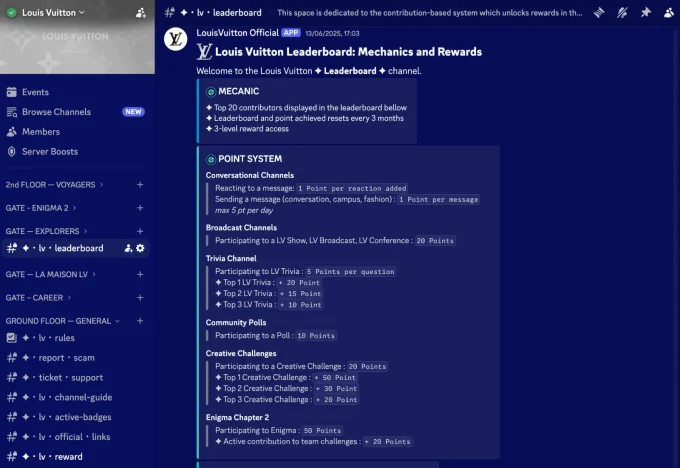
What we take off your plate
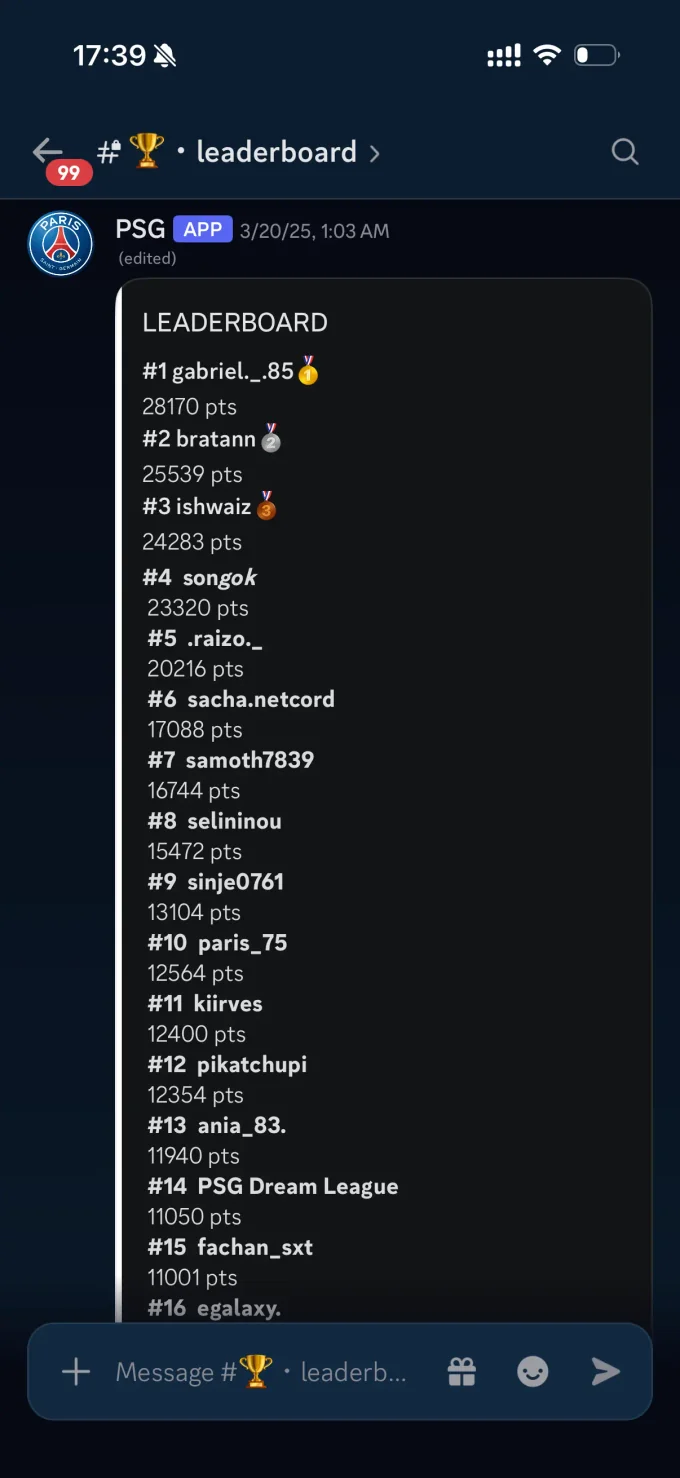
Progression systems
Levels, experience points and tiers that reward regular participation and give every member a visible goal.
Badges and roles
Roles and badges unlocked automatically at each tier, with concrete benefits attached (status, restricted access, gamified promotions and purchase intent).
Quests and recurring challenges
Weekly or seasonal missions that pace the life of the server and turn quiet periods into tentpole moments.
Team competitions
Members split into lasting teams with ongoing competition, a mechanic that creates belonging, teammates and rivals.
Rewards & product hooks
Technical hooks between the gamification system and your products, turning member engagement into something tangible (purchase intent, conversions, user-generated content).
See what we have already built
Frequently asked questions
Does gamification work outside gaming?
Yes, provided you adapt the vocabulary and the rewards. A sports club rewards attendance at pre-match lives, a nutrition brand rewards consistency on a programme, a luxury house rewards participation in a narrative experience. The mechanic is the same, the dressing changes.
Isn't there a risk of over-engineering?
That is the main trap. A system nobody understands in ten seconds will not get used. We always start with a single readable mechanic, then enrich it based on what members actually respond to.
Do rewards need to be physical?
Not necessarily. Recognition, a visible role or restricted access often work better than a prize, because they last and they are seen. Physical rewards mainly serve to create one-off spikes.
How do you measure the effect?
On 30-day retention, share of active members and impact on conversion to your products. Those are the three metrics gamification actually moves, far more than total member count.
Give your members a reason to come back
We start from your brand territory to design mechanics that actually look like you.
Talk about your community›